
technical SEO services
Technical SEO services: the floor every ranking stands on
Redirects, sitemaps, canonical tags and structured data are the parts of SEO that live in your site's code, and that's where my team works on them.
- Technical audit: crawl, indexing, redirects, canonicals, sitemaps, robots, speed, structured data — against Search Console
- The fixes, on a staging copy: redirect map, chains cut, duplicates resolved, sitemap rebuilt
- Speed pass on the key pages, with phone measurements taken before and after
- Structured data implemented and validated on the page types that earn it
- Re-crawl and Search Console check after launch — coverage, errors, indexed pages
- A written report: what was broken, what changed, what to watch
Try it
Every issue the crawl finds, with the fix written beside it.
Watch the reads run, then tap a finding to see the fix beside it. The order is the order that matters; the numbers are an illustration.
- Technicalreading…
- SEOqueued
- Speedqueued
- Securityqueued
- Contentqueued
Reading the site the way Google and a visitor do…
- findings appear as each read finishes
Illustrative findings — the real report is about your site, read by a developer, priced per line and re-checked after the fixes.
Overview
What technical SEO services cover
Technical SEO services, as I deliver them, are the fixes that live in the code. A redirect chain that loops. A site that answers on two addresses. A sitemap listing pages that no longer exist. A page that draws slowly on a phone. Structured data missing from the page types that could earn a rich result. A migration that left old URLs pointing nowhere. A visitor won't see any of it, yet all of it decides whether the pages your team writes get seen.
My team finds the fault, fixes it in the code on a staging copy, and re-checks it in Search Console. The audit is run with tools made by the SEO tool company I founded, DevsKing.
Backups come first, every time.
- Crawl and indexing: what Google can reach, what it can't, what it reaches twice
- Redirects and migrations: every old URL mapped, chains cut
- Speed on a phone: images, scripts, caching, hosting response
- Structured data: the markup that tells Google what a page is — implemented, validated
- Sitemaps, canonicals (the one address Google should treat as the real page), robots rules — the plumbing, done once and kept
What a scope from me looks like
A technical SEO scope
Included
- Technical audit: crawl, indexing, redirects, canonicals, sitemaps, robots, speed, structured data — against Search Console
- The fixes, on a staging copy: redirect map, chains cut, duplicates resolved, sitemap rebuilt
- Speed pass on the key pages, with phone measurements taken before and after
- Structured data implemented and validated on the page types that earn it
- Re-crawl and Search Console check after launch — coverage, errors, indexed pages
- A written report: what was broken, what changed, what to watch
Phase two
- A site migration or redesign with the redirect map inside it
- On-page and content work by the SEO team
- A care plan that keeps the fixes in place
Not doing
- Guaranteed rankings
- Bought links
Here's how it's scoped once the technical audit is done: each fix is a line of its own.
Access is the one thing I'll ask for at the start — the host, the admin and Search Console — because every fix goes into the code itself.
Process
How technical SEO work runs
Six steps on a site that's already live.
- 01
The call
Why the site exists, what Search Console shows, and what changed — a migration, a redesign, a new theme. If the free check already explains it, I'll say so.- You
- Search Console access; tell me what changed and when.
- Get
- Whether it's technical — and what the audit covers
- 02
The technical audit
A full crawl, checked against Search Console. Coverage, duplicates, redirect chains, speed, structured data and sitemaps. Written up as fixes in order of effect.- You
- Admin and hosting access.
- Get
- A ranked fix list with the cause beside each
- 03
The fixes, on a copy
Backup first, then the fixes go into the code on a staging copy. Redirects, canonicals, sitemap, speed and markup.- You
- Approve any page that goes or moves.
- Get
- A staging site you can crawl yourself
- 04
Your check, my re-crawl
You click through the pages that matter, and I'll re-crawl the staging site and validate the markup.- You
- Click through; flag anything wrong.
- Get
- Confirmed clean, before launch
- 05
Live, checked in Search Console
It goes live, and Search Console is re-checked for coverage and errors afterwards. The report shows the before and after.- You
- Sign off; watch the report.
- Get
- Coverage and errors, before and after
- 06ongoing
Kept in shape
New pages, new plugins and redesigns can undo a fix, so a care plan keeps the checks running — or your team runs them with the report as the checklist.- You
- Choose a care plan or run the checks in-house.
- Get
- A monthly check, or the checklist
- The call
- The technical audit
- The fixes, on a copy
- Your check, my re-crawlboth
- Live, checked in Search Console
- Kept in shapeboth
Tech stack
What technical SEO is done with
Search Console says what needs fixing; the code is where it gets fixed.
- Google Search Console — coverage
- indexing
- Core Web Vitals
- A full-site crawler; the free SEO checker
- A checked map
- permanent (301) at the server
- JSON-LD (the markup that tells Google what a page is) per page type
- validated
- Sized images
- script audit
- caching
- the host's first byte
- Sitemaps
- canonicals
- robots — generated automatically
- Re-crawl + Search Console
Why it matters
What Google needs before a page can rank
Every ranking starts the same way: Google reached the page, read it and understood what it was. When one of those fails, the page can't compete. A redirect loop stops Google at the door, a site on two addresses splits its own authority, and a slow page loses the visitor on a phone. That's why the technical audit opens every plan I write, and why my team makes those fixes in the code.
Migrations need the most care. A redesign or a platform move without a redirect map can lose a site its search traffic, and nothing looks wrong on launch day. With a redirect map, every old address lands where its content went.
Search Console is the same screen for both of us. I'll point at a row, you'll open it and see the same one, so every fix is checked against one shared report.
- Crawl and indexing fixed in the code
- Migrations with a redirect map
- Speed and structured data, measured
What the research says
How load time changes what mobile visitors do
Google measured real mobile visits, and Deloitte measured what a tenth of a second was worth across 37 brand sites. The green band is the load time Google calls good.
At 3.0 s a mobile visitor is +32% more likely to leave than at 1 s, as Google published it. Measure your page →
The rise after mobile pages got 0.1 seconds faster.
- Retail conversion rate8.4%
- Retail spend per order9.2%
- Travel conversion rate10.1%
These figures are other people’s research, quoted as published. Your own site’s numbers come from the free checks and the audit.
Search Console access is the best start
With Search Console open on the first call, the audit starts from what Google has already reported about your site. Coverage, errors and skipped pages are all there, so we're ranking the first fixes before the full crawl's even run.

Case study
Clients and builds behind the technical work
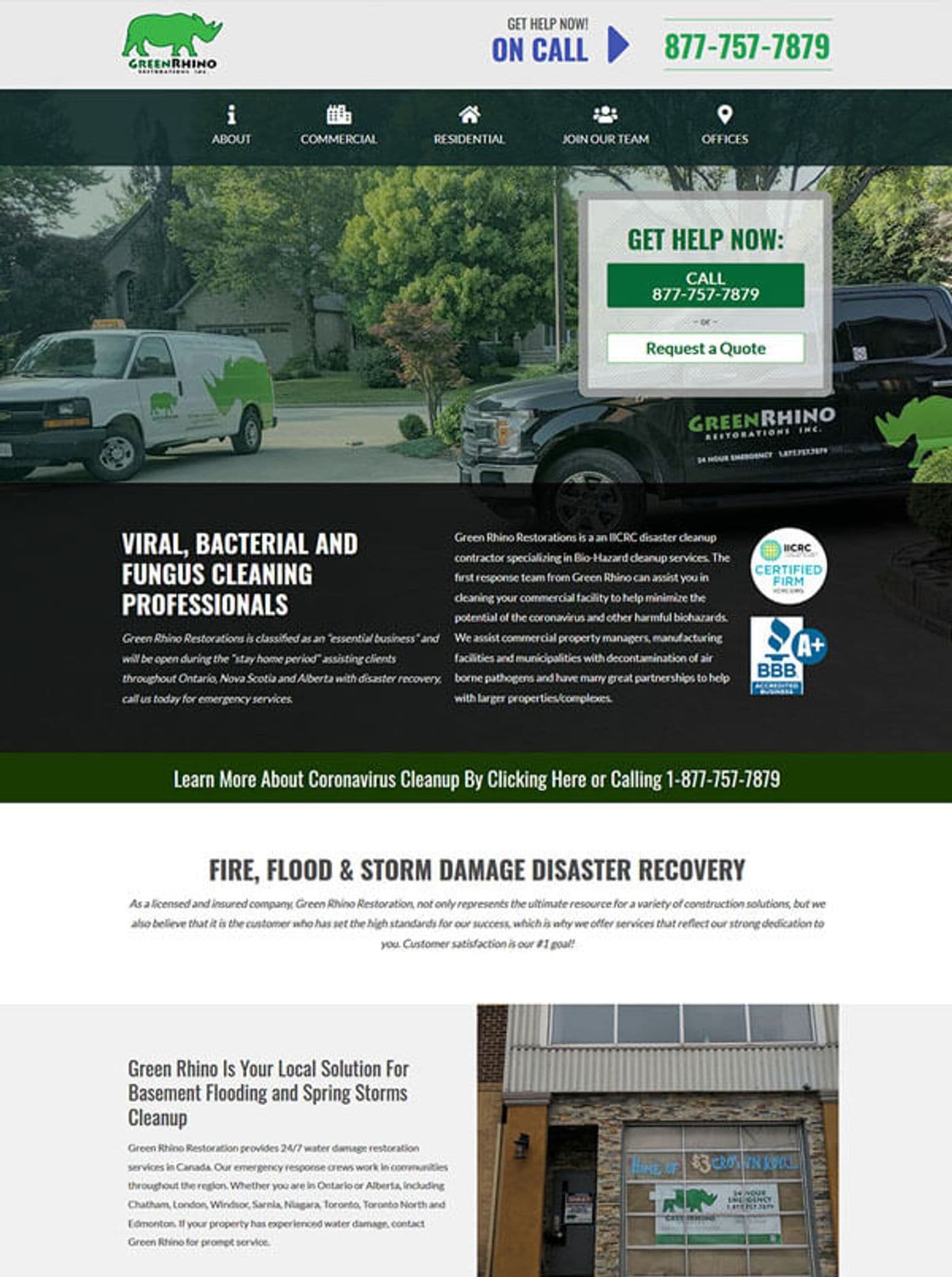
Daly Middle East, named with consent, is the 2025 SEO engagement that began with the technical read, before any page was touched. Activus Energy Advisors, Green Rhino Restorations, Hanna Tax and Business and Go Cleaning Brisbane were built with canonicals, sitemaps, structured data and sized images in place from launch.
Those builds count toward 900+ projects completed since 2017, and the team's work has earned 890+ five-star reviews across Fiverr, Upwork and direct clients.
In Search Console
Every page you want indexed, indexed
Search Console's coverage report is clean, and old addresses land where their content went. The key pages draw quickly on a phone, and the structured data is in place for richer results. When you'd like new pages, the checklist in the report shows what each one needs.
- 900+ projects
- since 2017
- 4.9★
- 400+ five-star reviews on Fiverr
- 9+ years
- building WordPress and Next.js sites
Support is the whole team, not one person — reach us any time, and someone picks it up.
“The freelancer demonstrated excellent problem-solving abilities, tackling challenges head-on and coming up with innovative solutions, maintains clear, concise, and prompt communication. Any questions or concerns I had were addressed quickly and professionally.”
Schedule a Meeting
On a call with the person who would lead the work. Bring what you have, and leave with a plan, whether or not you hire us.

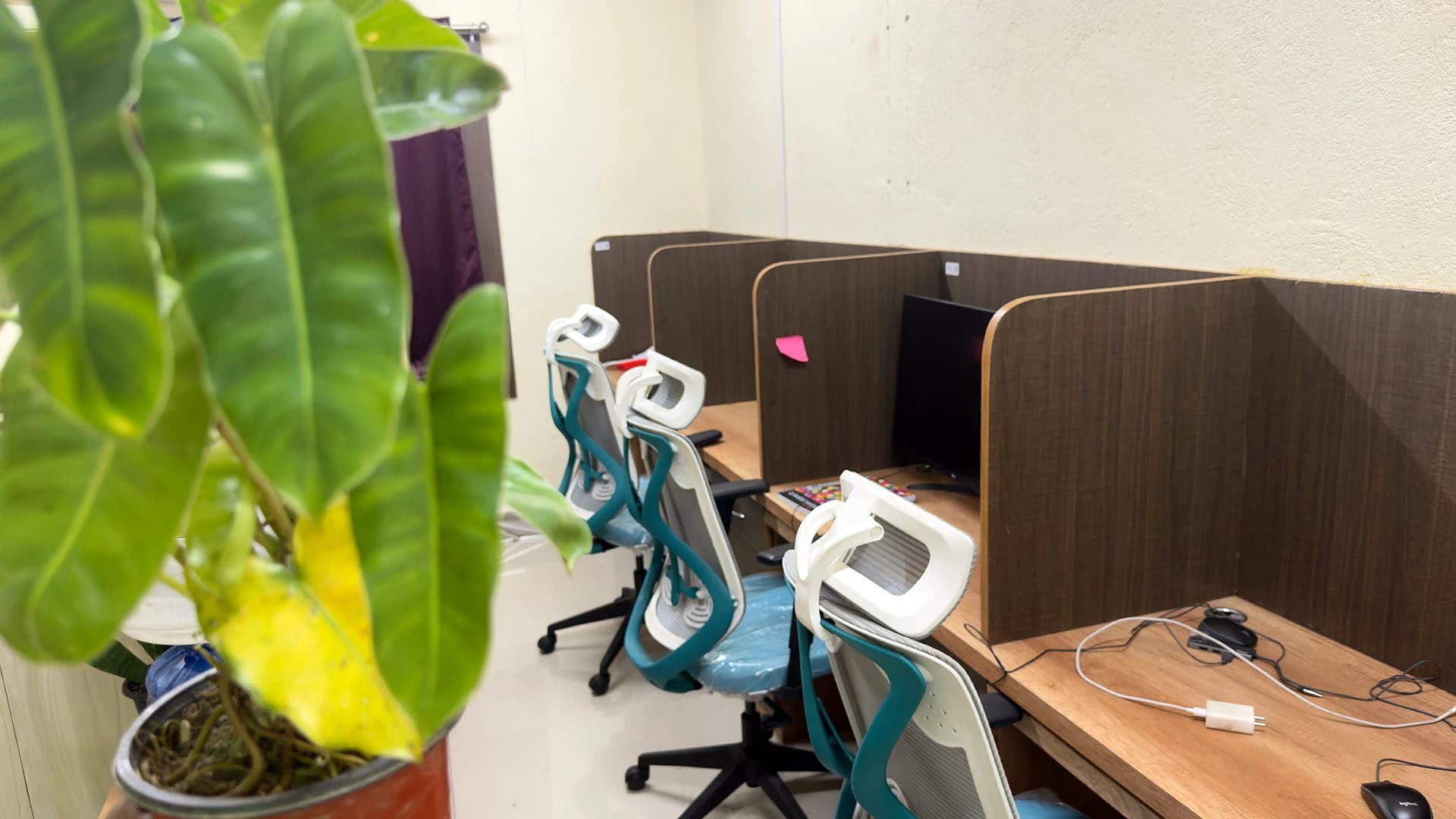
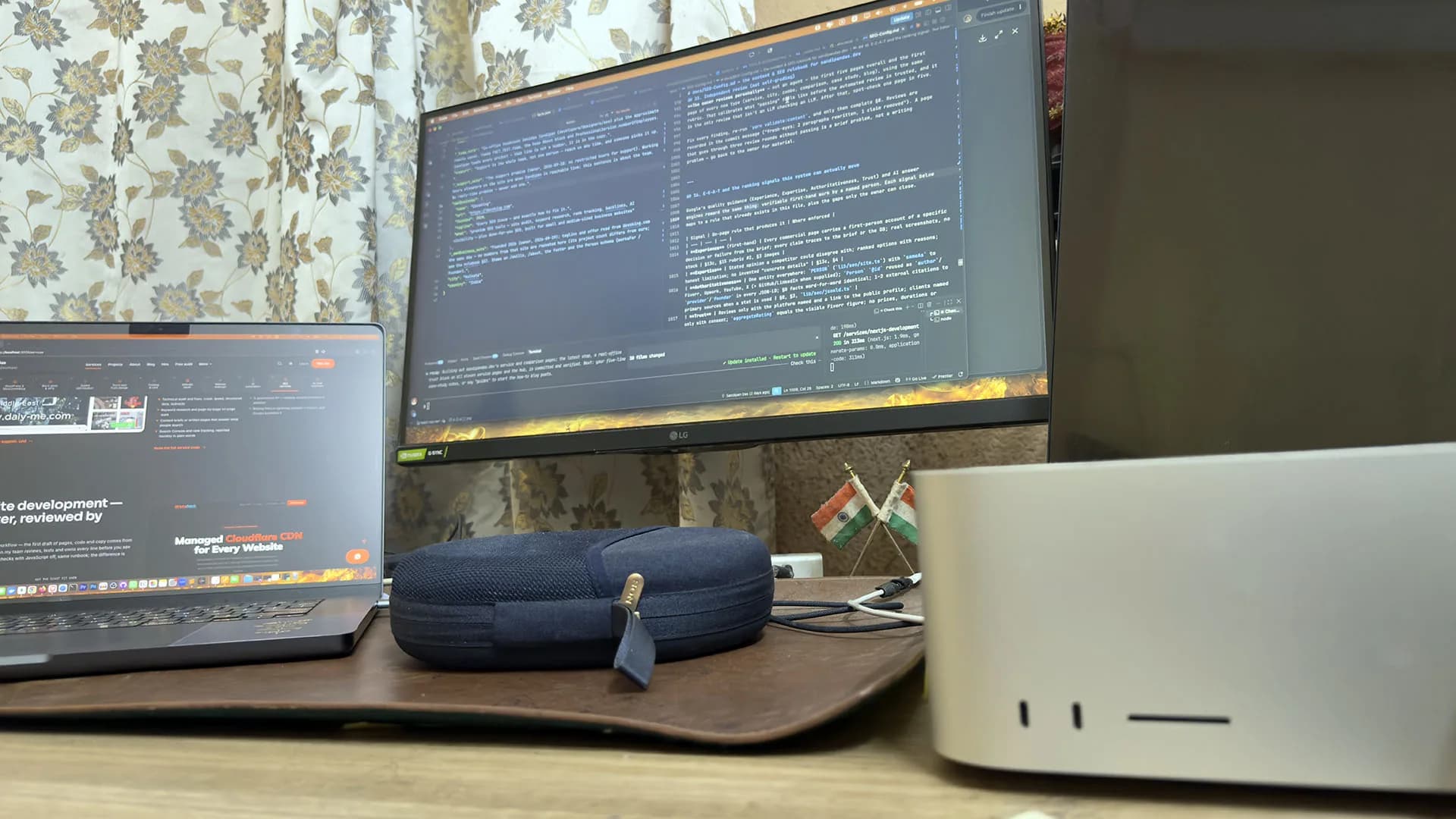
A real office, real people
Led by me, built with my team — in Kolkata, India.
The team: three developers, a designer and three SEO specialists in the Kolkata, India office, plus around six people working remotely. The technical fixes are made by the developers here, at the desks next to the SEO specialists who find them.

Sandipan Das
You talk to me; I’m the one accountable for the work.
- Availability
- The team works on your schedule, in your time zone.
- Support
- Support is the whole team, not one person — reach us any time, and someone picks it up.
Pricing
How technical SEO is priced
The audit happens once. Each fix is a line, biggest effect first. The re-check is included. On a migration, the redirect map gets its own line, and it's in every migration scope.
Once you've shared access to Search Console, the host and the admin, I'll be able to read the whole site, inside and out.
The quote page breaks down how lines are priced, and pages and content sit with the SEO services team.
- Audit: one line, once
- Each fix: its own line, ordered by effect
- Re-check in Search Console: included
Next step
Run the free check, then talk
The free SEO checker finds the first layer of technical issues. Bring the result and your Search Console access to the call, and we'll rank what to fix first.
What's included in a technical SEO audit?
- A technical SEO audit checks crawl coverage and indexing against Search Console, then the redirects, duplicate addresses, canonicals, sitemaps, robots rules, phone speed and structured data. It ends in a fix list ranked by effect, with the cause written beside each.
How do you fix indexing issues?
- Fixing indexing issues starts with Search Console's coverage report: pages excluded by a robots rule or a stray noindex, duplicates Google chose the wrong version of, redirect chains it gave up on, and pages missing from the sitemap. Each one gets its cause fixed in the code.
Do you handle site migration SEO — redirects and rankings?
- Site migration SEO is built on the redirect map: every old URL mapped to its new home with a permanent redirect, chains cut, and the sitemap rebuilt.
What is structured data implementation and do I need it?
- My team implements structured data as JSON-LD, the markup that tells Google whether a page is a service, an article, a product, a FAQ or a business. That markup earns the richer results in search. You'll need it on the page types that can earn those results, and it's implemented per type and validated.
Technical SEO for WordPress — what needs fixing?
- Technical SEO for WordPress covers oversized images and theme scripts that slow the page, plugins that create duplicate pages or block crawling, a sitemap listing pages that shouldn't be indexed, missing canonicals on tag and archive pages, and structured data set up per page type. Running the free WordPress site check gives the first layer of findings, and the audit covers the rest.
Who makes the fixes in your technical SEO service?
- My team finds and fixes each technical issue: the SEO specialists run the audit with me, and the developers make the fixes in the code, on a staging copy, then check them in Search Console after launch. Pages and content are handled by my SEO specialists under the SEO services scope, so you're dealing with one team for both halves.
Published · Updated