
white label web development
White label web development: your brand on the front, my team behind it
Agencies, consultants and studios sell the website, and my team builds it for them under their brand.
- Discovery with your PM (and your client, if you want me on the call)
- Design from your brief, your designer's Figma, or ours — homepage approved first
- Build on your staging domain; plugin audit; every page checked on real devices
- Forms, redirects, sitemap, metadata, structured data — the same checklist as every build here
- Handover in your client's name (admin, files, hosting) with a runbook written for your team
- A fix window after launch; a signed NDA; unbranded deliverables
One scope, one thread
A build, a care plan, and a PM who talks to your PM.
Three parts, one partnership, one scope. Press replay to see it drawn again.
Website development
WordPress, WooCommerce and Next.js builds — the same checklist as every project on this site.
Website maintenance
A care plan you resell, run by us under your brand.
Account management
Your PM talks to your client; I talk to your PM — unless you'd rather I join the call.
One scope, one team, your brand throughout — a signed NDA, unbranded deliverables, nothing ships without your yes.
Overview
What white label web development means here
White label web development, the way my team does it, means you sell and manage the project and we build it, with nothing in the deliverable that says who built it. Your brand goes on the proposal and the preview. Your project manager runs the calls with the client, and the invoice is yours. Behind that sit three developers, a designer and three SEO specialists in the Kolkata, India office, plus around six people working remotely.
They build sites on WordPress and Next.js to the same standard as every project on this site. The runbook goes to your team, or your client's.
I'm the one who leads every white-label job.
- WordPress and WooCommerce builds, Next.js apps, speed passes, technical SEO, redesigns
- A scope per line, a preview on your own staging domain, the handover in your client's name
- Your PM talks to your client; I talk to your PM — unless you'd rather I join the call
What a scope from me looks like
A white-label scope
Included
- Discovery with your PM (and your client, if you want me on the call)
- Design from your brief, your designer's Figma, or ours — homepage approved first
- Build on your staging domain; plugin audit; every page checked on real devices
- Forms, redirects, sitemap, metadata, structured data — the same checklist as every build here
- Handover in your client's name (admin, files, hosting) with a runbook written for your team
- A fix window after launch; a signed NDA; unbranded deliverables
Phase two
- A care plan you resell, run by us
- Speed passes and technical SEO on your existing client sites
- A Next.js build when the client's site is really an application
Not doing
- A line added without your sign-off
It's scoped the same as a direct job — you'll add your margin on top, and the lines are yours to show your client as you choose.
Before the build starts, your client sees the scope in some form, from you, so everyone works from the same list.
Process
How a white-label build runs
Six steps. Your PM's in the loop at every one, and you'll see the work as it goes.
- 01
The call — with the agency
Your PM and I go through the client's brief and agree how the job will run.- You
- Bring the brief and tell me how much of the process your client should see.
- Get
- A clear plan and a rough range to price from
- 02
The scope, yours to present
Every page, feature and integration as a line with a number — written so it's ready to send on.- You
- Add your margin; decide what your client sees.
- Get
- A scope you can present as yours
- 03
Build, on your staging
It's built on your staging domain and updated as the work happens. Your PM can open it any time, and your client when you say so.- You
- Review as it builds; relay the client's material.
- Get
- A staging URL on your own domain
- 04
Your review, then theirs
Your PM clicks through first, then your client, through you. Corrections come back through me, and they're re-tested on real devices.- You
- Collect feedback in one place and pass it on.
- Get
- A log of each change, confirmed
- 05
Launch, in the client's name
Admin, files and hosting go in your client's name, or yours. DNS happens on a call with whoever you choose. The runbook is written for your team.- You
- Run the launch call; sign off.
- Get
- A live site, and the runbook
- 06ongoing
Kept, resold by you
A care plan you resell — weekly updates, backups, monitoring, a monthly report you forward — or your team keeps it with the runbook.- You
- Decide: resell the plan, or keep it in-house.
- Get
- A monthly report you can forward, or the runbook
- The call — with the agency
- The scope, yours to present
- Build, on your staging
- Your review, then theirs
- Launch, in the client's nameboth
- Kept, resold by you
Tech stack
What we build for your clients
The same stacks as every build on this site — and the same checks.
- A thin theme
- a plugin audit
- a shop tested with a real order
- Server-rendered pages
- a Node API
- MongoDB — the whole stack
- The same pages timed on a phone
- before the pass and after
- Crawl
- indexing
- redirects
- structured data — verified in Search Console
- The inventory
- the redirect map
- the new build
- Weekly updates with a backup first
- monitoring
- a monthly report
Why it matters
What a build team behind you lets your agency take on
With my team behind you, the job you'd have passed on becomes one you can say yes to. A client wants a Next.js app, and your own team builds in WordPress. Another wants a WooCommerce shop beside the brochure site you already run for them. My team scopes the job with a number beside every line, builds it, and hands it back to you.
Every job runs on a scope. Each change becomes a new line, and your margin sits on numbers you can see, so you'll always have a clear price to give your client.
Your client sees the scope before the build. They've agreed to what's being built, through you, before a page is designed.
A staging URL and a written scope keep every step visible. The team works on your schedule, in your time zone.
- Say yes to a stack your own team doesn't build
- Every line priced; your margin on top of numbers you can see
- A staging URL you can open at every step
What the research says
Four published figures on speed, trust and checkouts
Speed, trust and checkout figures, each from a separate published study.
These figures are other people’s research, quoted as published. Your own site’s numbers come from the free checks and the audit.
A first job to test the fit
Send one live client brief, and we'll scope it as if you'd already won it. You'll see what your client would get, line by line, before you commit to anything.
Case study
Sites that show the standard
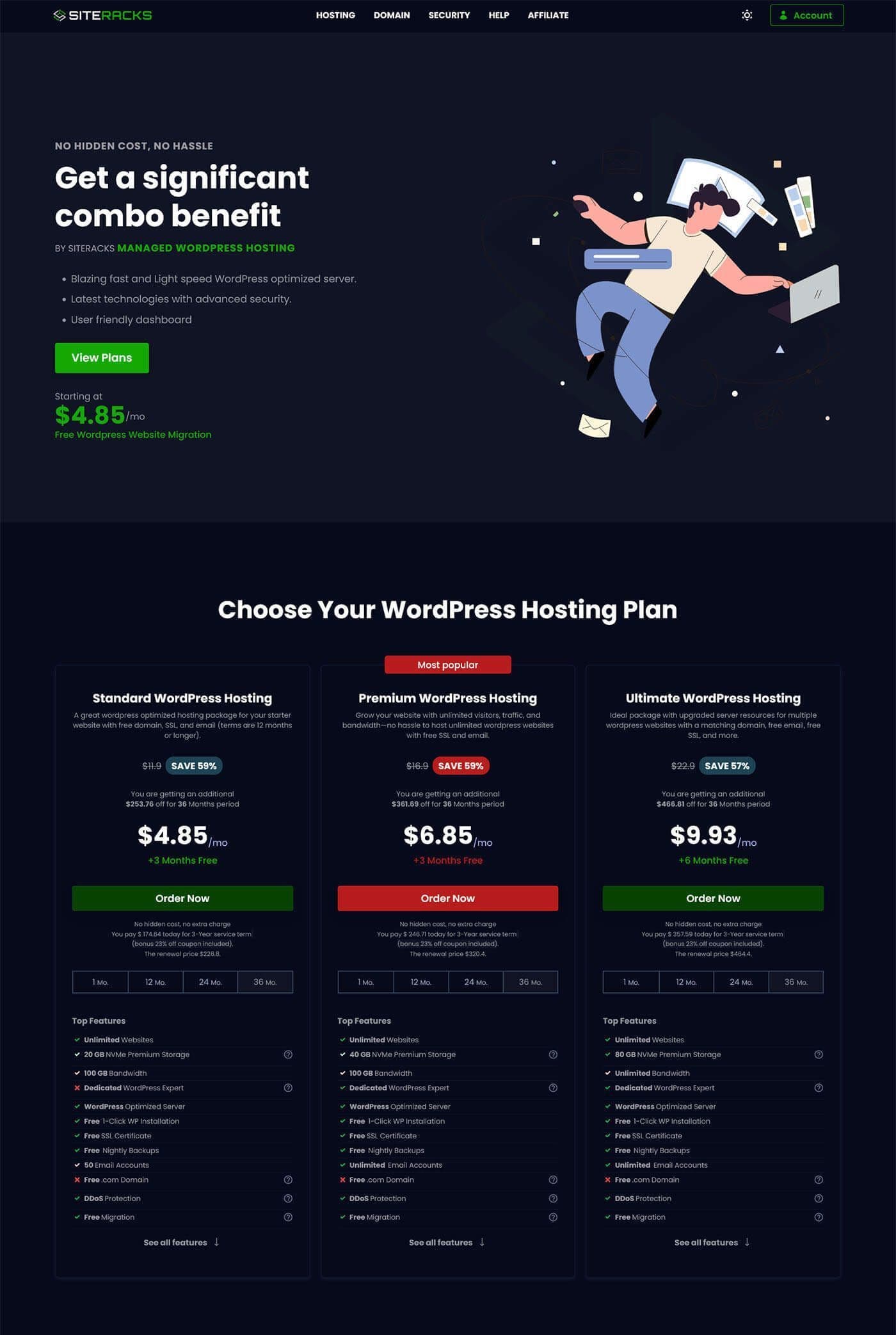
The builds on the projects page show the standard every partner site is built to. Each one is published with its client's consent: Tesla Electrical Company, Cornhusker Capital, SiteRacks Hosting and Well Care Innovators.
Want to check the standard before partnering? Pick any three sites there, open them on a phone, and run the free WordPress site check or SEO checker on them. That's the test I'd want to pass.
Client feedback
What clients say
- ★★★★★Fiverr
“Great to work with! Very professional, communicates well and finds solutions to challenges that arise during the project.”
- ★★★★★
“Sandi was brilliant, easy to talk, always responsive, and made fantastic work with our website.”
When your client goes live
Your PM runs the launch call, and the next job is a yes
Your PM presents the scope, and your client opens the preview on your staging domain. The launch call is yours. My team built the site the way every site on the projects page is built: lean, checked on real devices and handed over with a runbook written for your people. When the client asks for a shop next, you can quote it with the same team behind you.
- 900+ projects
- since 2017
- 4.9★
- 400+ five-star reviews on Fiverr
- 9+ years
- building WordPress and Next.js sites
Support is the whole team, not one person — reach us any time, and someone picks it up.
“The freelancer demonstrated excellent problem-solving abilities, tackling challenges head-on and coming up with innovative solutions, maintains clear, concise, and prompt communication. Any questions or concerns I had were addressed quickly and professionally.”
Schedule a Meeting
Bring one real client brief to the meeting. We'll turn it into a scope you could send to your client.
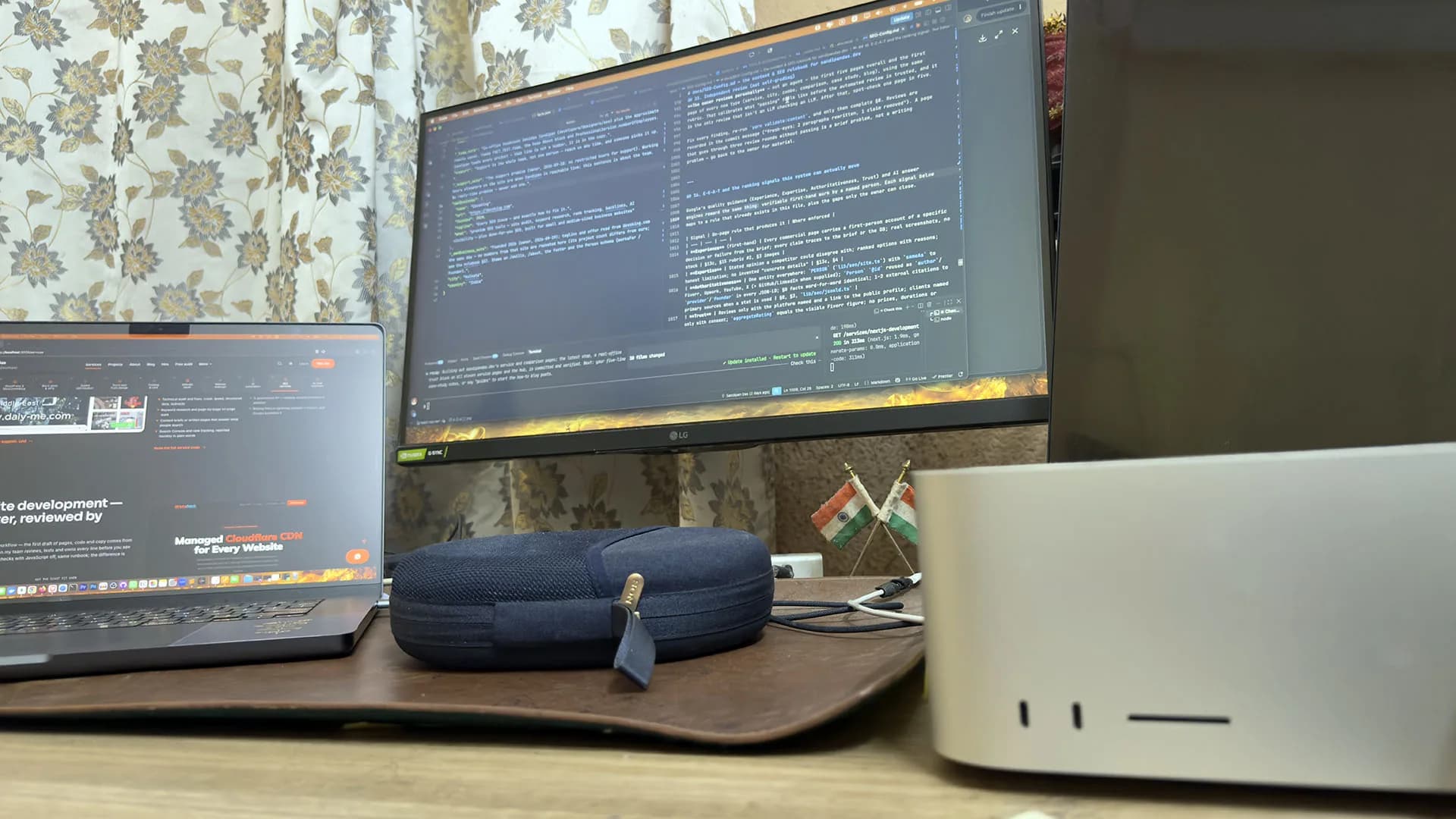
A real office, real people
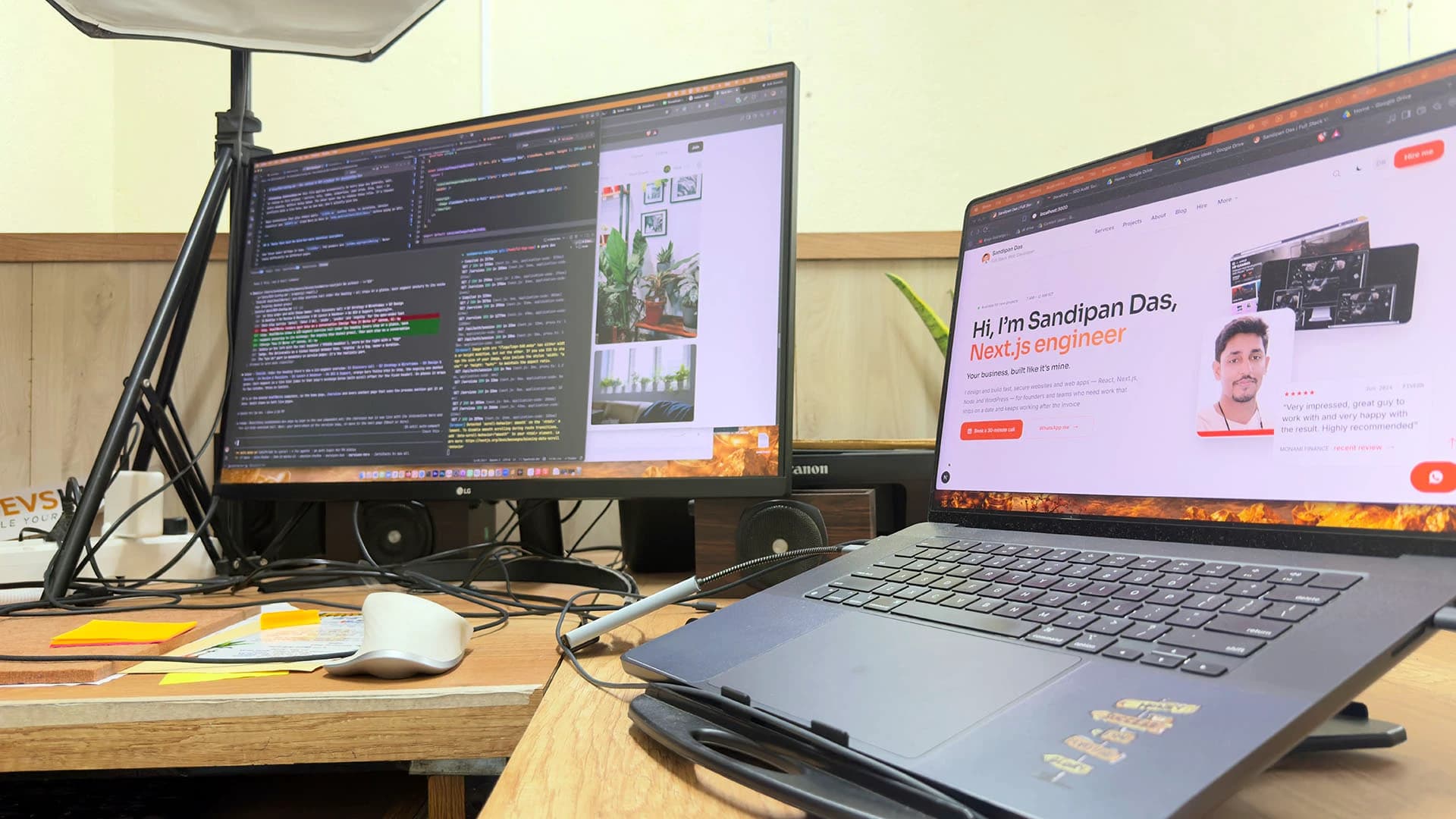
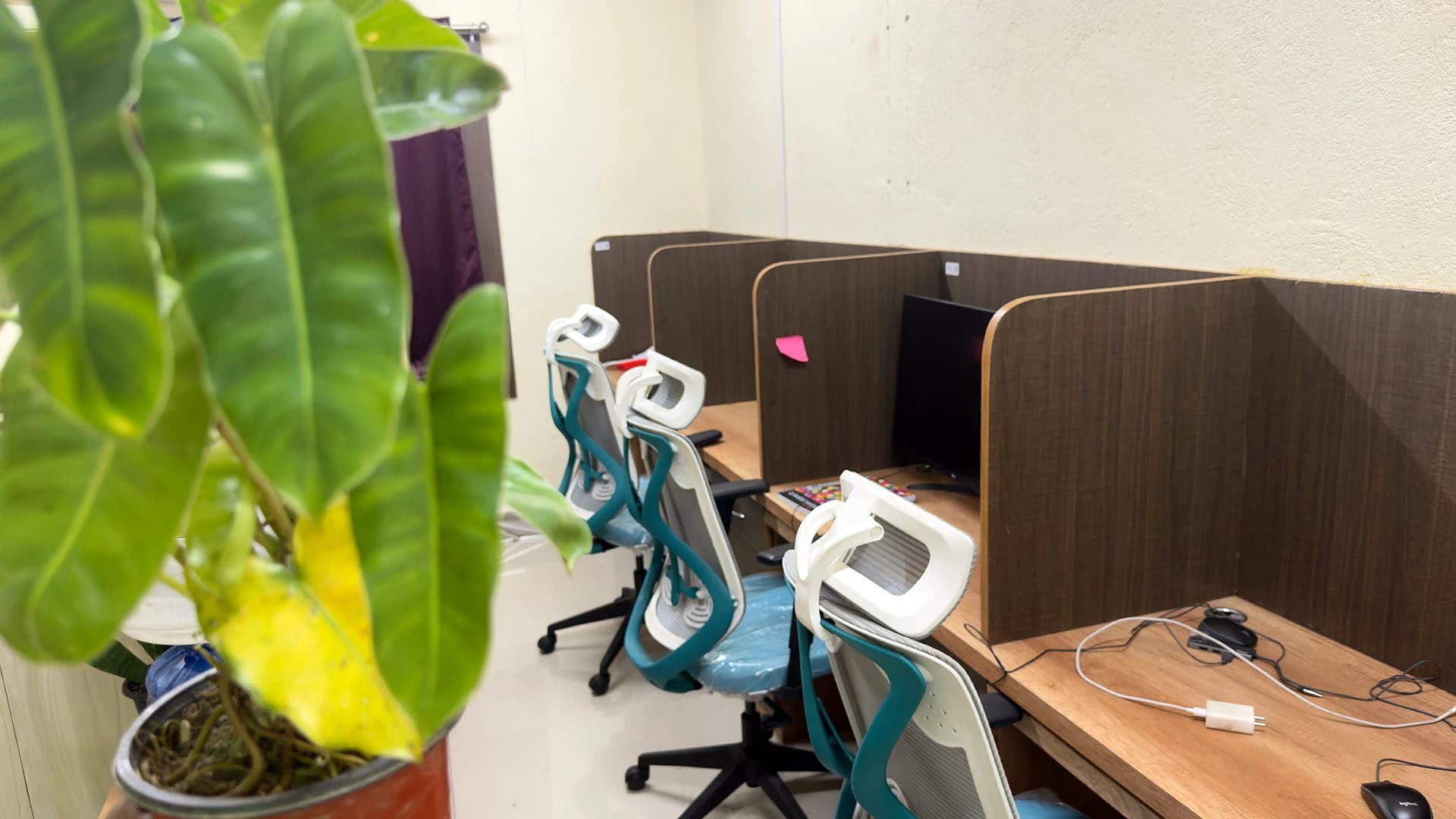
Led by me, built with my team — in Kolkata, India.
The team: three developers, a designer and three SEO specialists in the Kolkata, India office, plus around six people working remotely. This is the team that builds your client's site, at these desks.

Sandipan Das
You talk to me; I’m the one accountable for the work.
- Availability
- The team works on your schedule, in your time zone.
- Support
- Support is the whole team, not one person — reach us any time, and someone picks it up.
Pricing
How white-label work is priced
The same scope a direct client gets — a line per page, feature and integration — and your margin on top. Once we've worked together, the scope follows your own brief format and staging setup.
The first job sets up the routine: how your brand goes on the deliverables, where staging lives and who holds which accounts. Every job after that follows it.
The quote page explains the step from scope to figure.
- Scope: a number per line — your margin on top
- First job: the set-up; every job after: routine
- Change requests: each one a new line
Next step
Scope one client job together
Put a real client brief on the table. You'll leave with a plain answer on fit and, if it fits, a scope you could send your client, with a rough figure.
What does white label web development in India include?
- White label web development here covers WordPress and WooCommerce sites, Next.js apps, speed passes and technical SEO, plus redesigns and care plans, and it's all built for your agency's clients. Every job is scoped per line for you to mark up, built on your staging domain and signed off under an NDA, with the handover in your client's name.
Will my client know the site was built by a white label partner?
- Your client won't know a white label partner built the site unless you tell them. The proposal, the preview and the invoice carry your brand, and my team talks to your project manager. There's no developer credit in the code, and nothing goes in a portfolio without your written yes. The one thing I ask is that your client has seen a scope from you in some form.
Do you offer white label WordPress development and white label Next.js development?
- White label WordPress development and white label Next.js development are both delivered the same way: scoped per line, built on your staging and handed over to you. A WordPress build starts from a lean theme and an audit of the plugins, and any WooCommerce shop is tested with a real order. A Next.js build renders its pages on the server, with a Node API and MongoDB behind them, and the repository sits with you or your client on GitHub.
How is a white-label build priced?
- A white-label build from my team, as your agency development partner in India, is priced per project: a scope with a number beside each line for the pages, features and integrations. You'll add your margin to figures you can see line by line, and a change request is added as a new line.
Can you outsource web development for agencies that already have a designer?
- Agencies that outsource web development to us can keep their own designer. Your designer's Figma comes to my team, we build it pixel-accurate on WordPress or Next.js and check it on real devices, and your designer reviews the staging site before your client does. If you don't have a designer, ours draws it from your brief.
On a white label build, who owns the code and the logins?
- On a white label build, the code and the accounts belong to whoever you choose, your agency or your client. The repository goes in your GitHub or theirs, and the admin, hosting, domain and analytics sit in your client's name. A runbook lets any developer pick the site up later, and nothing routes through my team after handover unless you resell the care plan.
Published · Updated