
Web developer in Nabadwip to answer a pilgrim's practical questions
Pilgrims plan a visit to Nabadwip long before they travel, and many write from outside India. The businesses that look after them need a site that answers in plain English, and that is what I build, working as a web developer in Nabadwip. Whatever a visitor reads on your site has to hold true on the day they arrive. Nothing on it is guesswork.
Overview
What a pilgrim needs confirmed
A pilgrim books once the details feel dependable, and not a moment before.
A visitor who can't drop in to look around first has to trust what they read. Their one message may be the only question they ask before booking, so the site has to answer it clearly.
My own view is that a calm, exact tone works better here than a persuasive one. The reader has already decided to come and only needs the details confirmed.
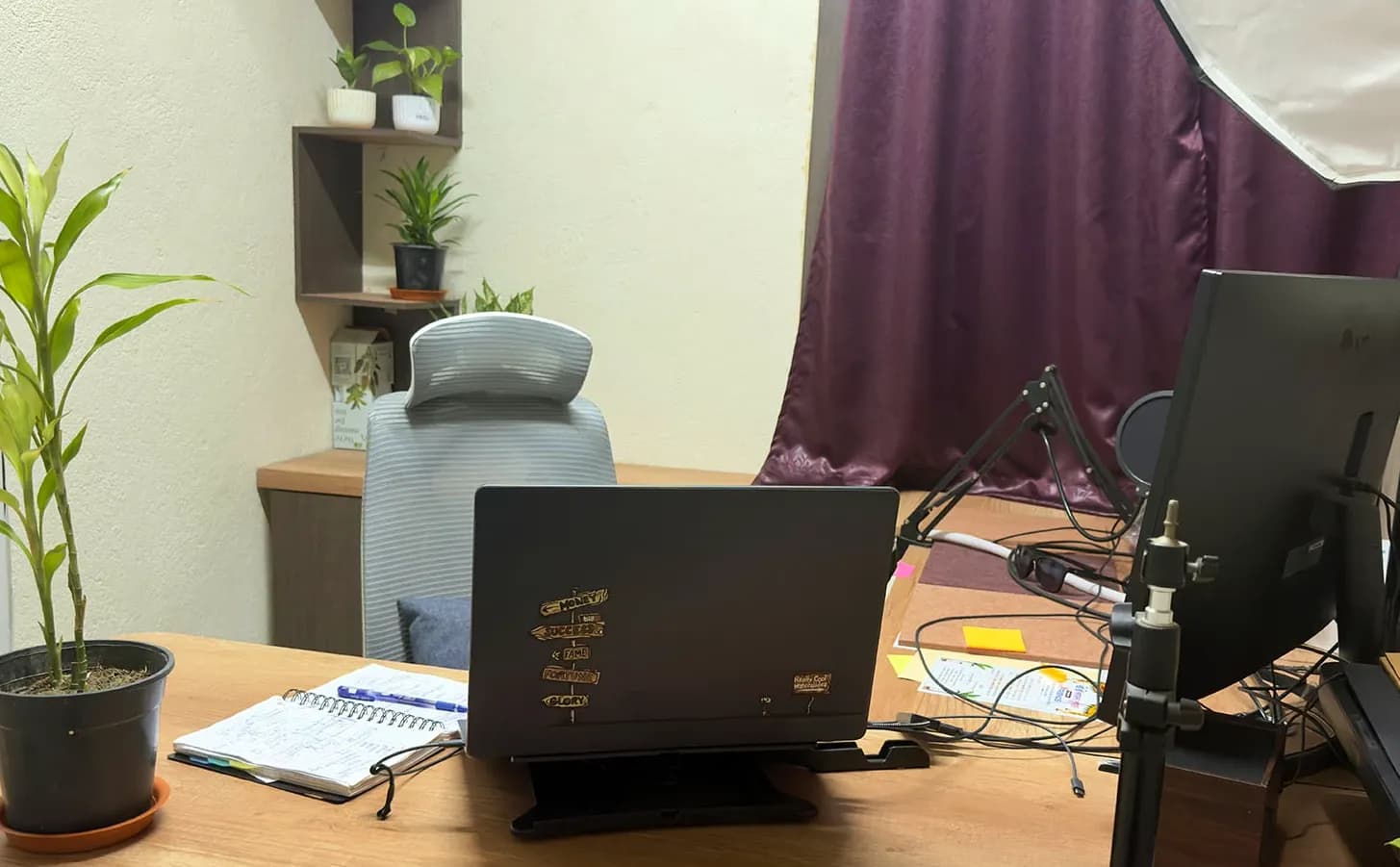
What gets built here
The practical answers, in order
This is the order I'd set them in.
- 01How far you are from the temples, described in words a stranger can picture, with the easiest way to get there.
- 02The temple timings you know of, beside your own opening hours, because a visitor plans the whole day around them.
- 03Food arrangements, named plainly — what you serve, or where a visitor can eat nearby.
- 04A way to ask one more question, through a form or a WhatsApp number that you reply to yourself.
Written in English first
Every page is written in plain English, the language your enquiries arrive in.
What moves the number
Lines that change the cost
The size of the first version decides most of the cost. The rest depends on how much of the wording you already have.
- How many pages the first version needs
- Whether visitors should be able to send an enquiry from the first version
- Whether the site should show a map to your door
- Whether your answers are already written down somewhere
- Whether you'll edit the details yourself after launch
What a scope from me looks like
A first scope for a pilgrim-facing business
Included
- A written scope: every page and feature as its own line, agreed before work starts
- Design to build, reviewed on a staging URL that stays open the whole project
- Mobile first — checked on a real phone
- Domain, hosting and every account created in your name from day one
- The details visitors ask about, written up from your own notes
- Basic on-page SEO: titles, descriptions, headings, sitemap, Search Console connected
- A runbook at handover: how to edit it, what renews and when
Phase two
- A booking form that confirms by email
- A page in a second language, if enquiries call for it
- Ongoing SEO once the site has traffic to read
- A maintenance plan once the site is live
- Logo and brand design, quoted separately from the build
Not doing
- Guaranteed rankings
- Publishing arrangements nobody has confirmed
The first version holds the details a visitor checks before booking, and nothing more. Extra pages wait until you know you need them.
If a detail is liable to change, I mark it on the site as one to confirm with you directly. That way nobody arrives expecting something you stopped offering.
Where this comes from
Where my clients have been
Fiverr shows my clients spread across 19% of the world's countries.
That work runs remotely, through messages and calls, wherever the client happens to be.
What those clients wrote afterwards is collected on the testimonials page.
Nearby
Other pages to look at
The Nadia district page, and one for Ranaghat.
FAQ
Questions worth settling early
Your own answers to these shape the first version.
What should a temple town website answer first?
- A temple town website should first answer the question a pilgrim would otherwise write in to ask, which is how to reach the temples from your door. That goes on the first screen. The other details sit just below it.
Can we take enquiries from visitors abroad?
- Enquiries from visitors abroad come through a form and a WhatsApp number, both of which work from any country, and the messages reach you directly. The form can ask for travel dates and group size, so you've got what you need to reply in one message.
Can food and stays nearby be listed without a formal tie-up?
- Food and stays nearby can be listed without a formal tie-up, as long as each place is real and you're happy to stand behind the details. The list is easy to edit when something changes.
What if the temple timings change?
- When the temple timings change, you edit one line and the rest of the site stays as it is. I keep the timings in a block of their own, so an edit never means touching the design.
Should the site show photographs of the temples?
- Photographs of your own place come first on the site, since that's what the visitor is choosing. A temple picture can sit lower down if it's one you took yourself.
Is online booking needed from day one?
- Online booking isn't needed at the start. An enquiry form covers the first version, and a booking form that confirms by email is listed in phase two. Adding it later doesn't mean rebuilding what's already there.
Next step
The replies you already send
Gather the replies you already send visitors over WhatsApp, the ones you've typed so often you know them by heart. They become the first draft of the site, and we put them in order on the call.
Published · Updated